Latest newsroom coverage
A fast route into the next layer of context when the headline alone is not enough.

UnescoNews / Conversion
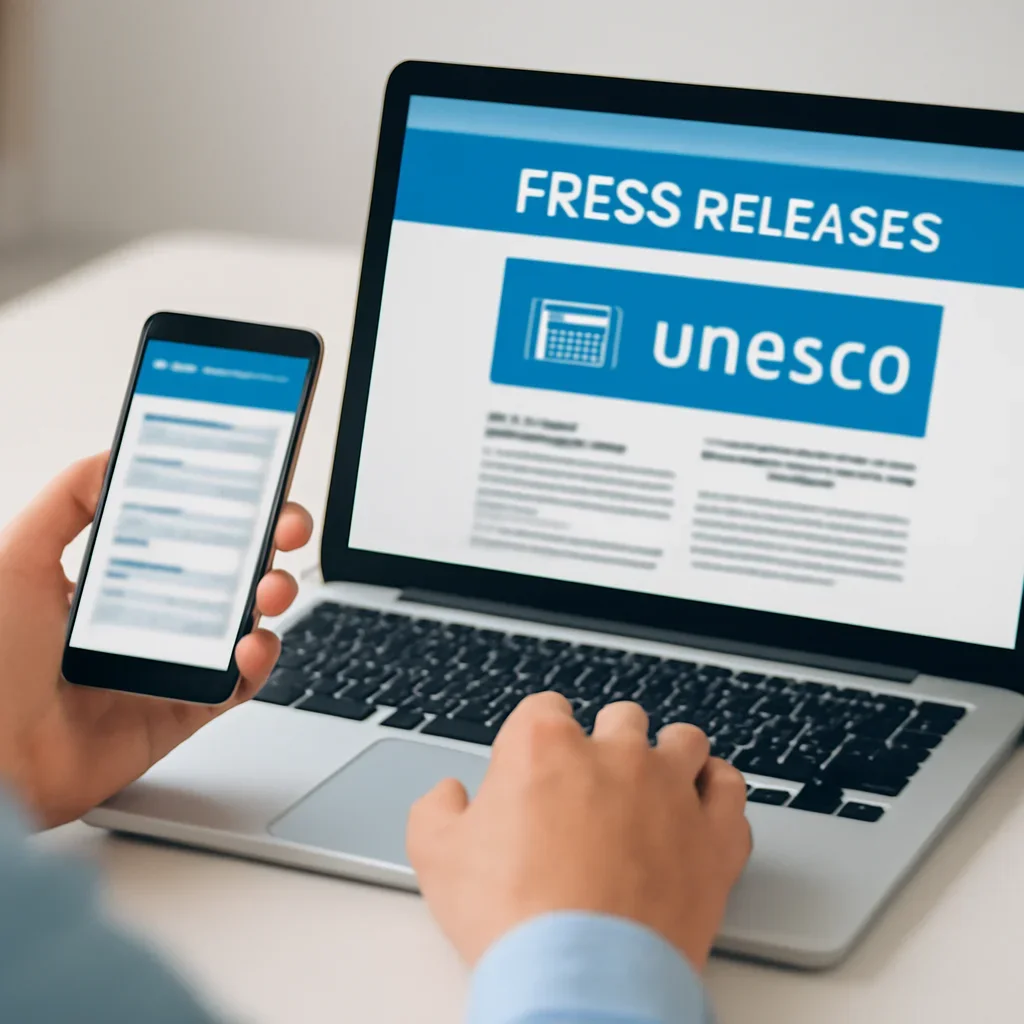
Press releases can be useful, but they do different work from reporting. This route gathers official statements, announcements and formal updates in a way that makes their role clear without confusing them with editorial coverage.
Readers get a cleaner distinction between what was announced and what was independently framed around it.

A fast route into the next layer of context when the headline alone is not enough.
Useful when you want the angle, the background and the practical connection in one place.
Built for readers who prefer a cleaner path from update to understanding.
Open this when you want the related story, not another dead end.

Official statements are often the first public signal of a development, but they are not the whole story. Editorial coverage adds context, comparison, verification and a wider sense of why the announcement matters.
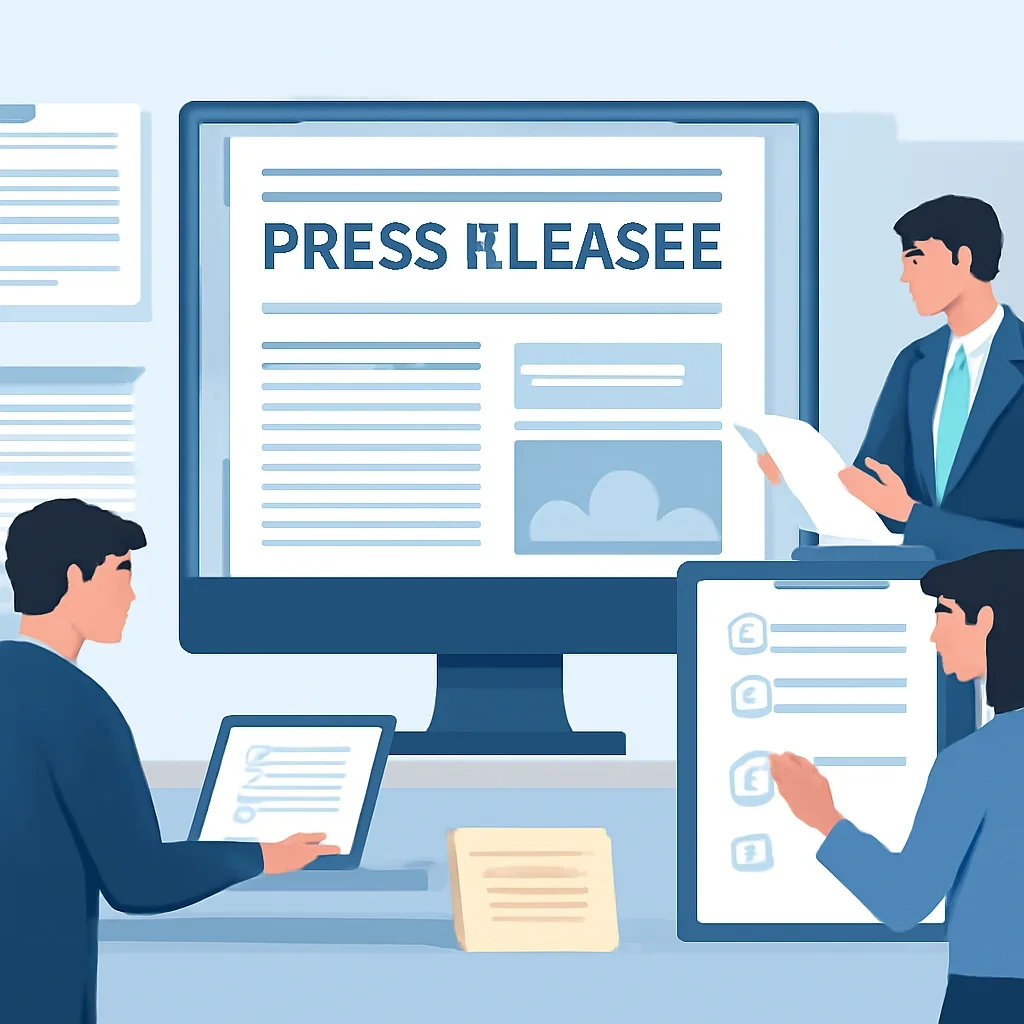
Use it when you need the source statement, the official language or a formal chronology around a development. Then move into the newsroom, blog or topic hub when you need the editorial frame.
When you submit a formal announcement, clarity helps: the organization, the date, the main claim, the intended audience and any necessary supporting material. That keeps the handling process straightforward.
Official statements are often the first public signal of a development, but they are not the whole story. Editorial coverage adds context, comparison, verification and a wider sense of why the announcement matters.
That difference is explored more directly on UNESCO News vs Press Releases.
Use it when you need the source statement, the official language or a formal chronology around a development. Then move into the newsroom, blog or topic hub when you need the editorial frame.
That sequence often works best with the newsroom open alongside it.
When you submit a formal announcement, clarity helps: the organization, the date, the main claim, the intended audience and any necessary supporting material. That keeps the handling process straightforward.
If the request involves wider distribution or reuse rights, include that in the first message.
No. They serve a different function and should be read as official statements rather than editorial reporting.
It is useful when you need the original wording, the formal timeline or the source announcement behind a development.
Yes. They often provide the starting point for wider reporting and analysis.
Tell us what kind of partnership, sponsorship, licensing or editorial support you need and we will outline the next step.