Latest newsroom coverage
A fast route into the next layer of context when the headline alone is not enough.

UnescoNews / Core
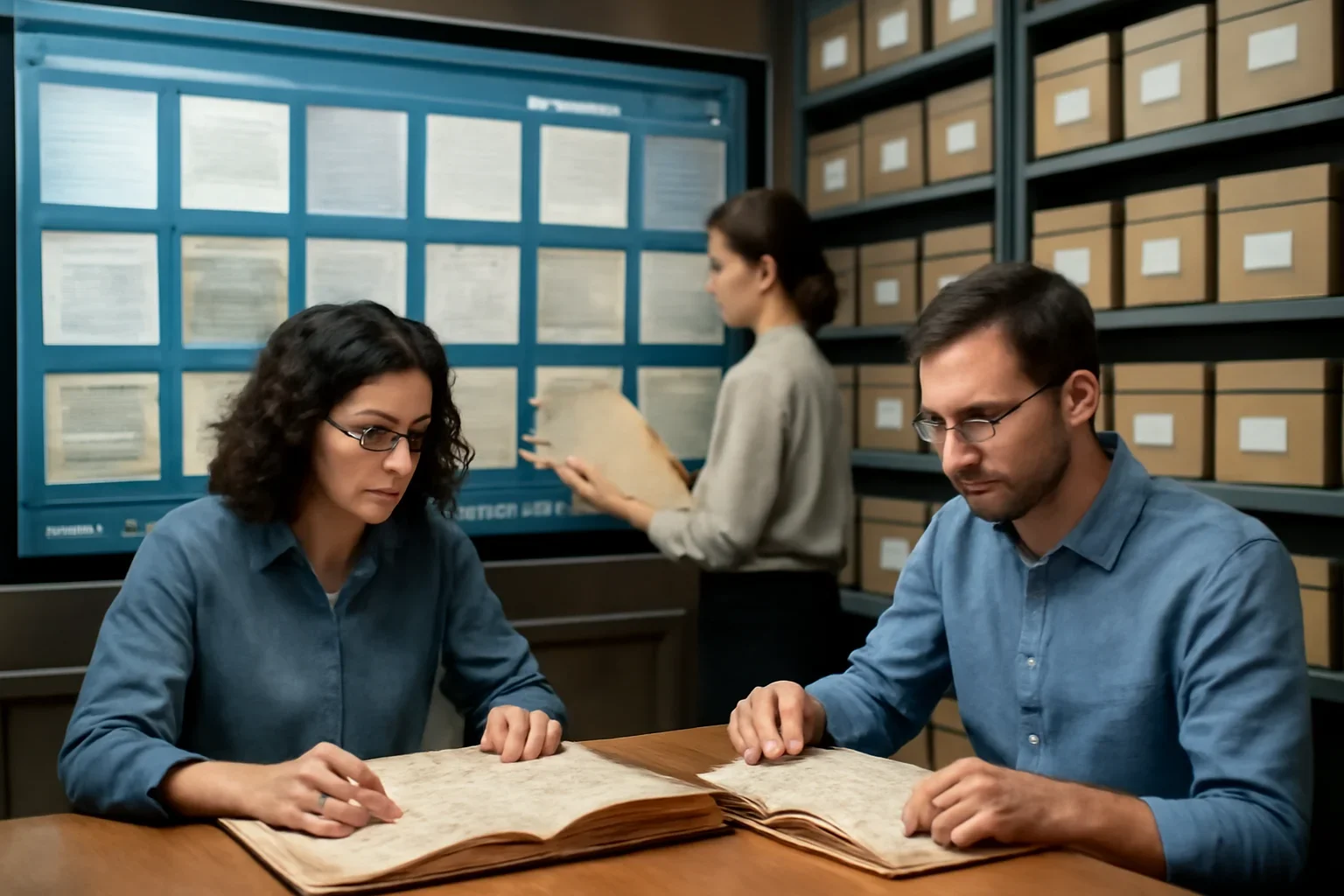
Archives matter because public-interest reporting should stay usable after the first wave of attention moves on. The archive on UnescoNews is designed for readers who need continuity, retrieval and a cleaner path into older stories and recovered legacy material.
Researchers, educators, journalists and long-term readers all benefit when the past is still easy to reach.
A fast route into the next layer of context when the headline alone is not enough.
Useful when you want the angle, the background and the practical connection in one place.
Built for readers who prefer a cleaner path from update to understanding.
Open this when you want the related story, not another dead end.

A useful archive does more than store pages. It helps readers trace how an issue developed, revisit an earlier decision and recover context that newer articles assume you already know.
Start with the topic you are following, then use archive pages to build the timeline around it. <a href="/topics/world-heritage/">World Heritage</a>, <a href="/topics/education/">Education</a> and <a href="/topics/ai-ethics/">AI Ethics</a> are good examples of beats that gain value over time.
Recovered pages, evergreen guides and older reports are most helpful when they remain discoverable but do not swamp the current reading experience. The archive is designed to keep that balance.
A useful archive does more than store pages. It helps readers trace how an issue developed, revisit an earlier decision and recover context that newer articles assume you already know.
That is especially important in UNESCO-related coverage, where stories often unfold across long policy cycles and repeated international meetings.
Start with the topic you are following, then use archive pages to build the timeline around it. World Heritage, Education and AI Ethics are good examples of beats that gain value over time.
If you need a bridge between old and new material, open the blog for explainers or the newsroom for current coverage.
Recovered pages, evergreen guides and older reports are most helpful when they remain discoverable but do not swamp the current reading experience. The archive is designed to keep that balance.
Tell us what kind of material you are trying to find and we can point you toward the right route.
Researchers, educators, journalists and readers following a long-running issue tend to get the most value from it.
No. Topic hubs are the organized doorway; the archive carries the deeper timeline behind them.
Often yes, especially when it helps explain how a policy or heritage issue evolved.
Tell us the topic you care about and the workflow you need to support, and we will point you toward the most useful next page.