Latest newsroom coverage
A fast route into the next layer of context when the headline alone is not enough.

UnescoNews / Core
Case studies show how a publication becomes useful in the real world. On UnescoNews, that can mean clearer newsroom workflows, stronger topic discovery, better citation habits or partnerships that help the right readers find the right material.
The point is not self-congratulation. The point is to show what thoughtful structure changes for readers and partners.

A fast route into the next layer of context when the headline alone is not enough.
Useful when you want the angle, the background and the practical connection in one place.
Built for readers who prefer a cleaner path from update to understanding.
Open this when you want the related story, not another dead end.
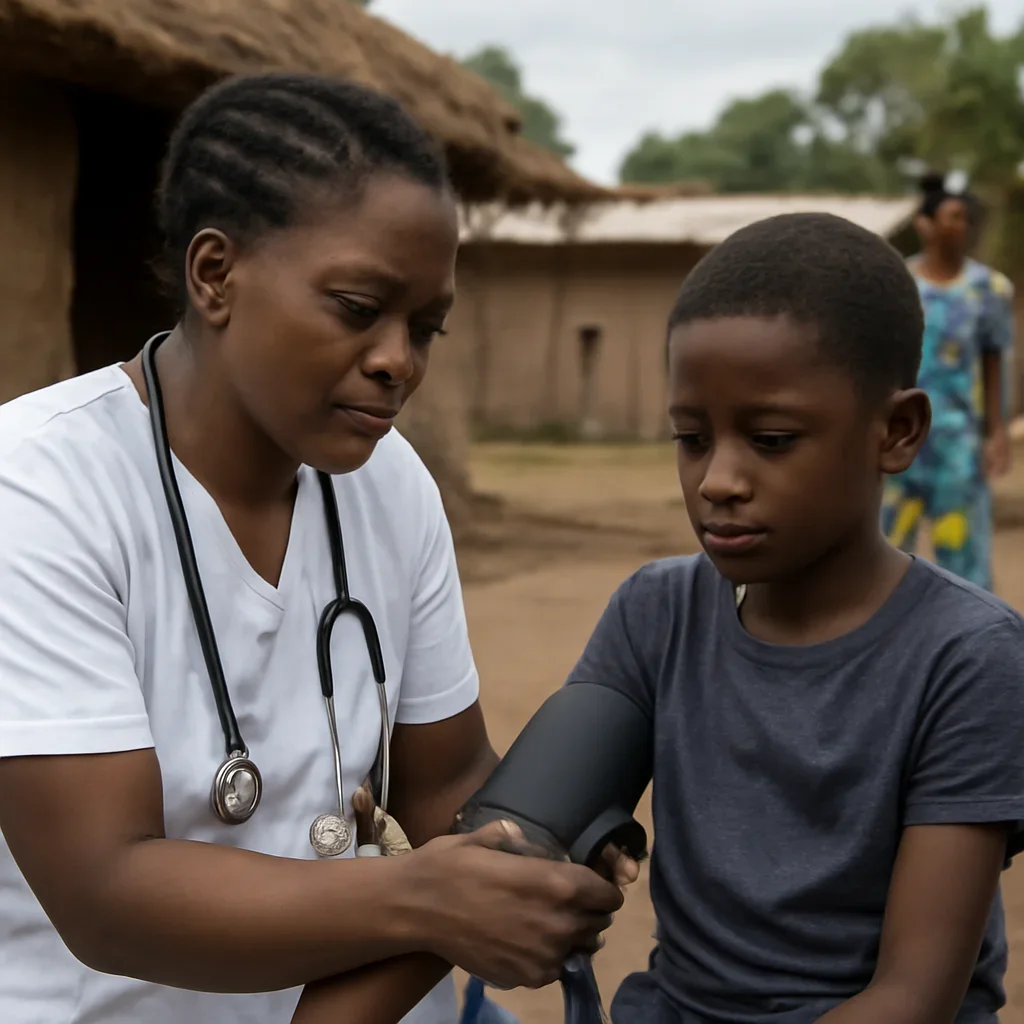
A useful case study starts with a recognizable problem: scattered discovery, weak archive paths, overloaded teams or a topic area that readers could not follow easily. It then shows the changes that made the workflow lighter and the reading experience sharper.

Examples may include stronger newsletter engagement, better internal use of archives, clearer researcher journeys, improved topic navigation or more confident classroom use of editorial material.
Share the challenge you are trying to solve, the audience involved and the kind of editorial support or distribution help you need. We can then outline the next step without forcing the conversation into a generic form.
A useful case study starts with a recognizable problem: scattered discovery, weak archive paths, overloaded teams or a topic area that readers could not follow easily. It then shows the changes that made the workflow lighter and the reading experience sharper.
Those stories matter because they explain value in practical terms rather than abstract publishing language.
Examples may include stronger newsletter engagement, better internal use of archives, clearer researcher journeys, improved topic navigation or more confident classroom use of editorial material.
The related pages for those conversations are Media Kit, Membership and Licensing.
Share the challenge you are trying to solve, the audience involved and the kind of editorial support or distribution help you need. We can then outline the next step without forcing the conversation into a generic form.
A concise project note is usually more useful than a long deck at the start.
No. They can also speak to institutions, educators, researchers and teams exploring a different way to organize coverage.
Anything tied to discovery, distribution, archive use, editorial context or audience alignment is a strong starting point.
Send a short overview of the audience, the problem and the timeline, and we will outline the best next step.
Tell us the topic you care about and the workflow you need to support, and we will point you toward the most useful next page.